Navigate the Labyrinth of Authenticity and Illusion

DIOR Small C’est Bag Buying Guide: How to Style a Modern Essential

DIOR Small C’est Bag Buying Guide: How to Style a Modern Essential

Embark on a Cosmic Journey Through the Paradoxes of Luxury and Dupes

DIOR Small C’est Bag Buying Guide: How to Style a Modern Essential

by Thea Elle | September 5, 2025 | Luxury Industrial Complex


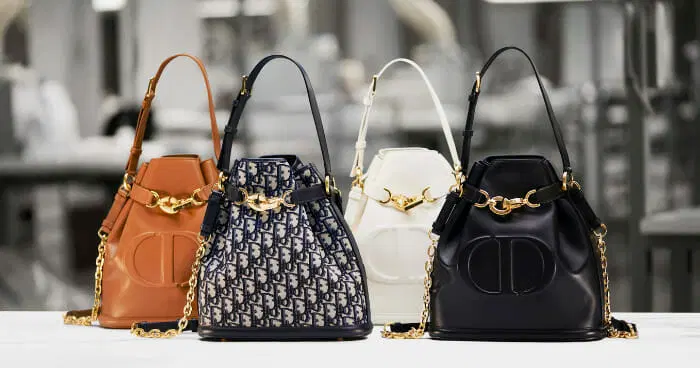
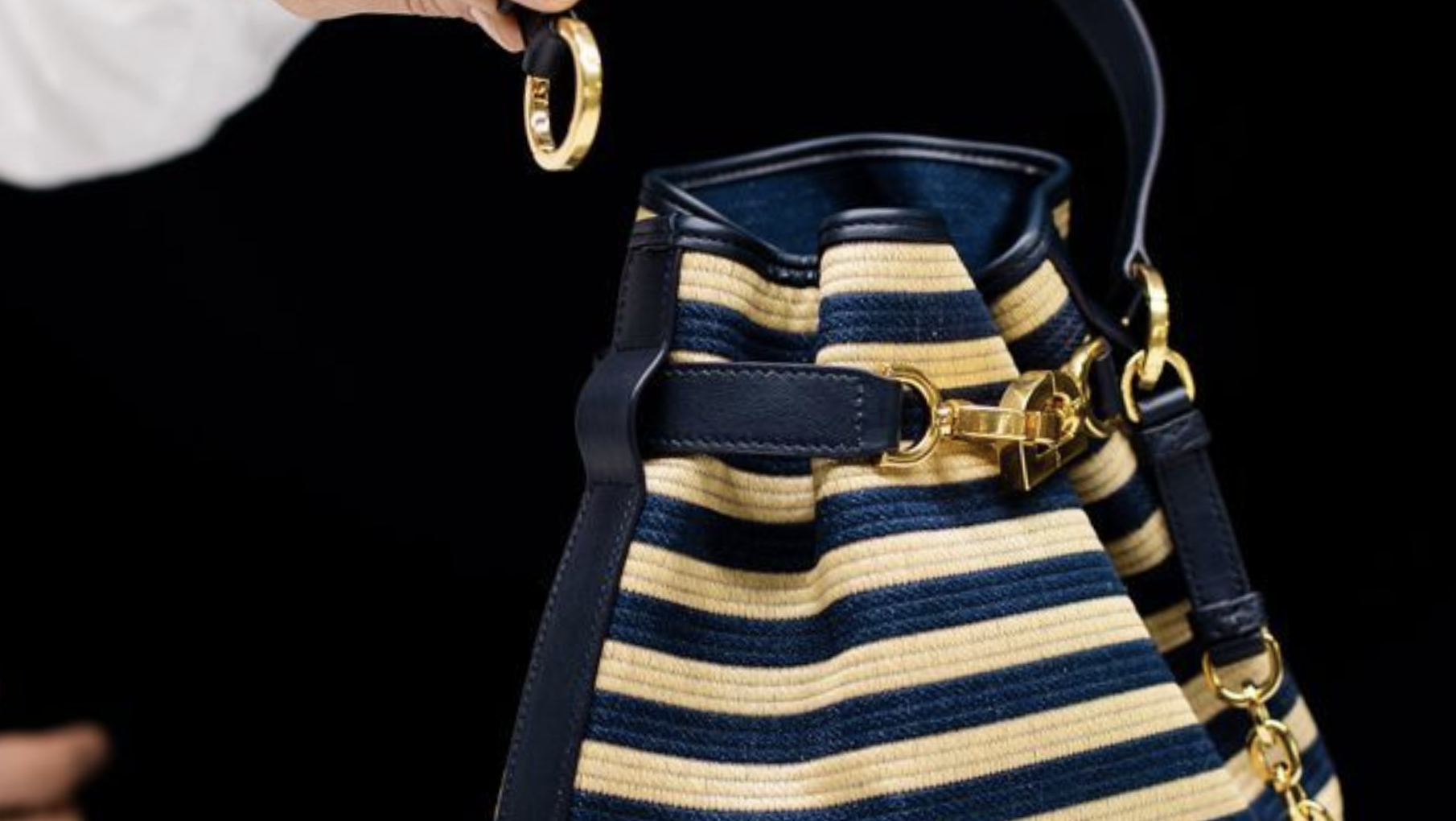
The DIOR Small C’est Bag isn’t just DIOR’s latest handbag; it’s their slyest temptation yet. Released in 2023, it’s the answer to that guilty internal monologue: “Do I really need another purse?” With sculpted curves, a refined “CD” clasp, and a strap that adapts to whatever social function you’ve RSVP’d to, the bag is equal parts classic and cunning.

This guide dives into why the C’est Bag has already become a modern staple, how to pick the right edition for your lifestyle, and how to style and care for it like a pro. Because buying a DIOR bag isn’t just retail therapy — it’s a declaration of taste, discipline, and maybe just a little indulgence.

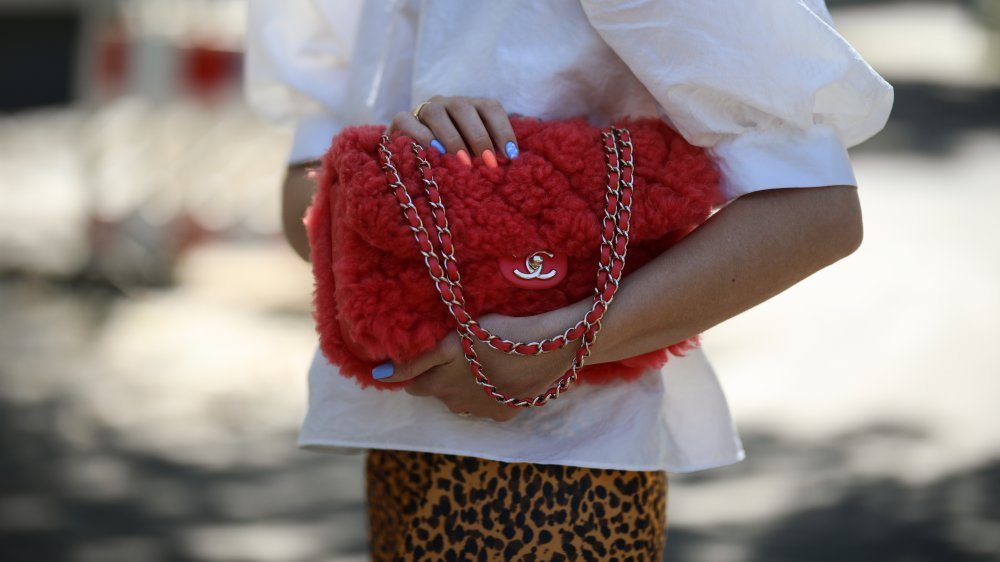
CHANEL versus resale: a luxury love story no one asked for.

The Modern DIOR Essential

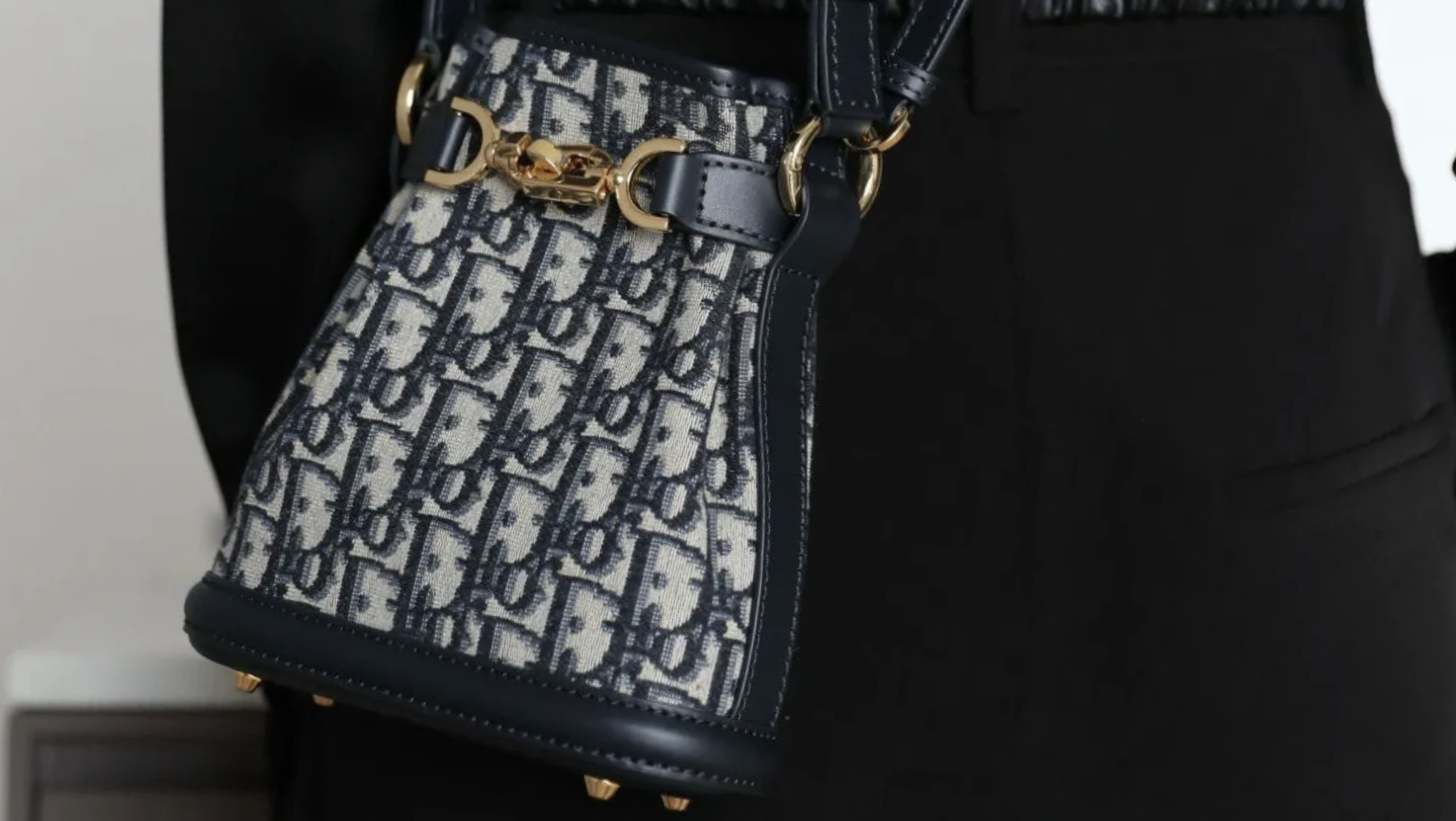
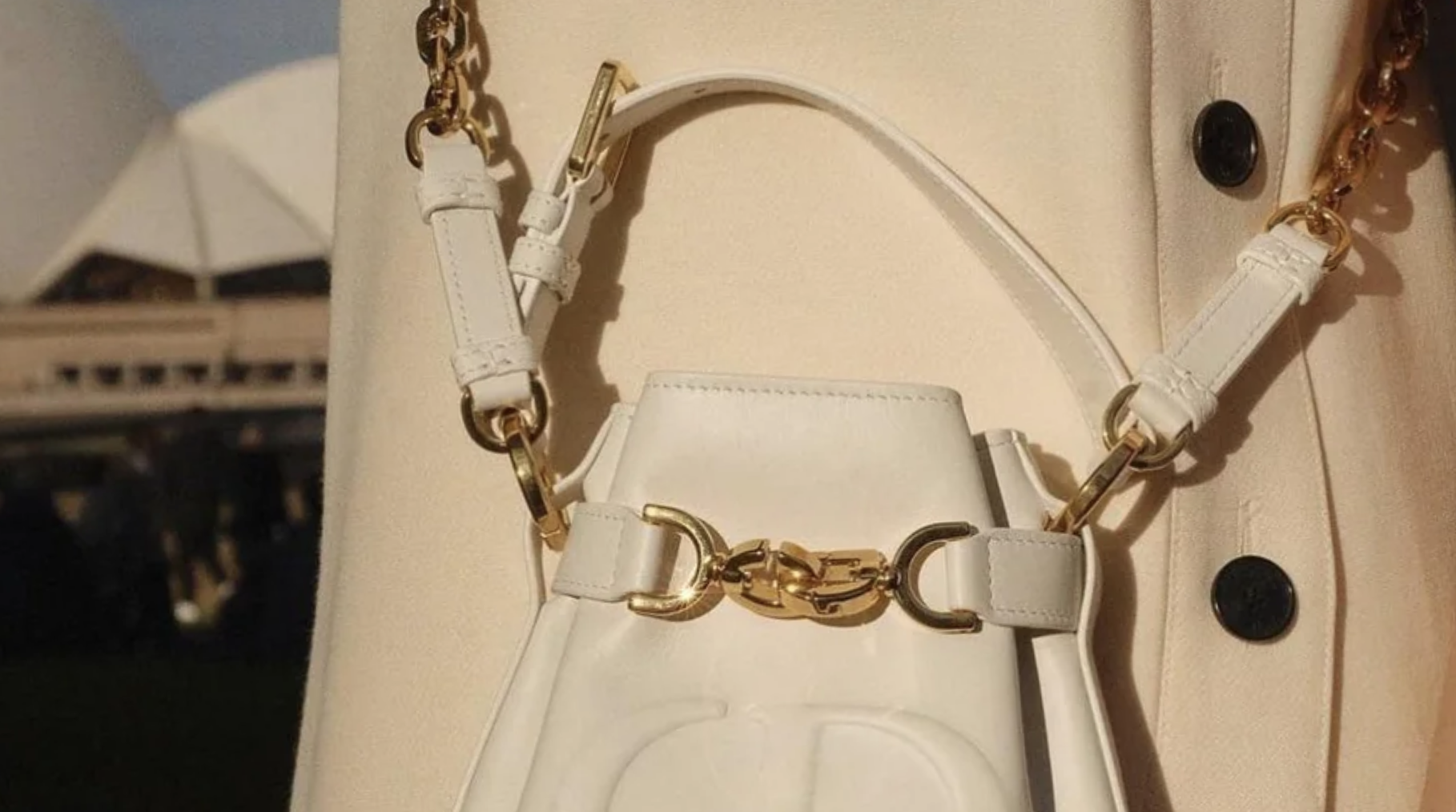
The DIOR Small C’est Bag is more than a 2023 debut — it’s DIOR’s answer to what a modern essential should look like. The design is all about tension: structure softened by curves, minimalism warmed by detail. At the heart is the gleaming “CD” clasp, understated yet unmistakably DIOR. Add in the adaptable strap, and the bag effortlessly transitions across settings, proving as practical as it is polished. Inside, its scale is deliberate — pared down enough for elegance, but functional enough for the daily essentials that matter.

If you’re a luxury brand enthusiast on a budget, check out KRIS+KIKO! You will only find better deals, with up to 90% off on authentic, high-quality products. Trust our quality satisfaction guarantee and 99% satisfied customers since 2018 speak for themselves. Take advantage of this hidden gem!
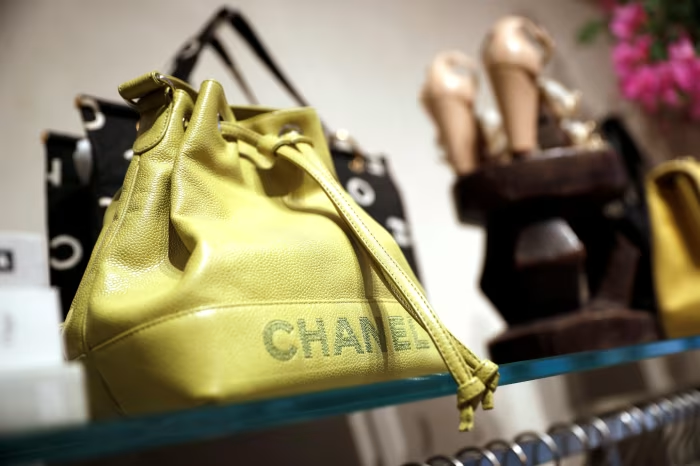
From boutiques to bidding wars, CHANEL bags never really leave circulation

In keeping with DIOR’s legacy of craftsmanship, the Small C’est Bag is offered in a range of finishes: supple calfskin, sleek box leather, and collectible seasonal editions that highlight embroidery or rare leathers. Its palette offers the best of both worlds: heritage tones that feel eternal and seasonal colors that refresh the design each year. In every version, it remains unmistakably DIOR — timeless, adaptable, and unapologetically chic.

Quiet Luxury’s Rising Star

The DIOR Small C’est Bag has surged in popularity because it manages to be both restrained and compelling. Its clean design speaks to quiet luxury, offering a sense of recognition to those in the know without screaming for attention. The practical size makes it even more attractive — big enough for essentials, compact enough to retain its elegant proportions. It’s the rare handbag that delivers sophistication without sacrificing usability.

Explore New Arrivals Here
The house that invented the 2.55 now wants to police your closet.

Its novelty gives it additional cachet. Released in 2023, the C’est Bag feels like a fresh chapter for DIOR, offering collectors something modern alongside icons like the Lady Dior and Saddle Bag. With frequent appearances on celebrities and in street-style coverage, it’s already positioned as one of the defining handbags of this decade — a design that feels both timeless and perfectly of-the-moment.
The irony of timelessness — designed to last forever, but only if you buy it brand new.

Desire Meets Reality

Yes, the DIOR Small C’est Bag is gorgeous. But before you buy, let’s talk logistics. Leather selection is key. Box leather serves drama and sophistication but scratches easily. Calfskin is more forgiving and makes sense if you want this bag to pull weekday duty. Meanwhile, embroidered or exotic editions can feel like wearable art — beautiful, but impractical if you’re rough on your accessories.

Beyond materials, think about your lifestyle. This is not a bag for overpackers. It thrives on carrying just the essentials, rewarding those who live minimally. And don’t ignore the time factor. The Lady Dior and Saddle Bag are icons with decades of staying power. The C’est Bag? A rising star. If you love being ahead of the curve, it’s perfect. If you crave proven legacy, you may want to wait and watch.

Designed for the Modern Collector

The DIOR Small C’est Bag is crafted with collectors in mind — every detail feels intentional. Its refined clasp anchors the design, doubling as both a closure and a subtle brand signature. Meanwhile, the removable and adjustable strap turns it into a multi-role accessory: weekend crossbody, office-ready shoulder bag, or evening handheld. Few bags transition across occasions this seamlessly.

Then there’s the sharply defined shape, which ensures it retains its structured beauty no matter how often it’s worn. The proportions strike an elegant balance between compactness and function, fitting your essentials without losing sophistication. Together, these features position the Small C’est Bag as more than an accessory — it’s a versatile investment piece with enduring relevance.
CHANEL vs. resale: a modern tug-of-war over who really owns “luxury.”

Your Lifestyle, Your DIOR

Choosing the right DIOR Small C’est Bag comes down to knowing your style DNA. For enduring elegance, stick to DIOR’s classics: black or beige, rendered in smooth calfskin or box leather. These staples carry you from day to evening effortlessly and are the safest bet for long-term wear. For those who like a dose of modern expression, seasonal colors, and limited runs offer individuality. A pale pastel reads delicate, while a saturated red or embroidered motif gives unapologetic character.

Functionality should guide your choice as much as aesthetics. Will this bag join you in the boardroom, on weekends, or at dinner parties? Glossy box leather complements formal attire, but calfskin adapts better to a full day’s wear. And the strap shouldn’t be overlooked. The standard leather strap radiates refinement, but an embroidered DIOR strap changes the tone instantly — a playful twist that redefines how the bag reads with different outfits.

The Versatile Statement

The DIOR Small C’est Bag thrives on versatility. It’s the kind of bag that looks just as at home slung crossbody with denim and sneakers as it does perched on the crook of your arm with tailored trousers and heels. Its silhouette does the heavy lifting, adding polish even to the most casual ensembles.

But it doesn’t stop there. By evening, the bag adapts seamlessly, sharpening cocktail looks with quiet authority — especially in classic black or beige leathers. For those who crave individuality, DIOR’s embroidered straps transform it into a style statement, balancing heritage craftsmanship with modern flair. It’s not just adaptable; it’s transformative,


Looking to indulge in luxury brands without breaking the bank?

Who Owns Luxury? CHANEL’s Struggle to Police Resale

Who Owns Luxury? CHANEL’s Struggle to Police Resale

Embark on a Cosmic Journey Through the Paradoxes of Luxury and Dupes

Who Owns Luxury? CHANEL’s Struggle to Police Resale

by Thea Elle | September 1, 2025 | Luxury Industrial Complex


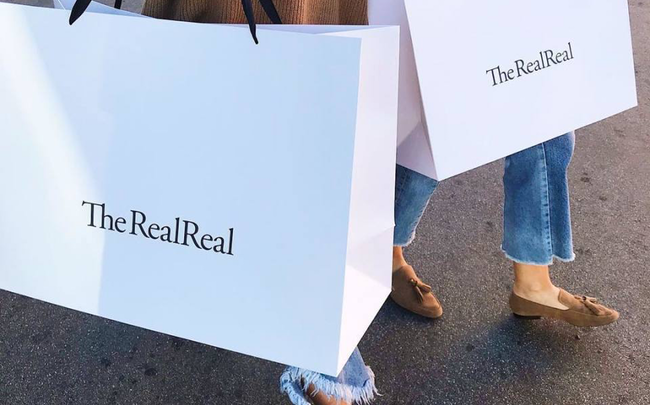
The thrill of unboxing a vintage CHANEL 2.55 from The RealReal is unmatched: the lambskin soft, the chain strap gleaming, the aura unmistakable. For a moment, it feels like the holy grail — a guilt-free indulgence that whispers chic without shouting excess.

But then comes the hangover. Because in CHANEL’s world, “timeless” doesn’t mean “resellable.” The house views resale as a threat to its empire, a crack in the exclusivity veneer. And that flap bag in your hands suddenly comes with an aftertaste of subpoenas and cease-and-desist letters.

CHANEL versus resale: a luxury love story no one asked for.

Couture in the Courtroom

Buying a CHANEL bag may feel like a milestone, but don’t confuse ownership with authorship. CHANEL has trademarked practically everything in its orbit — from 2.55 to 5, from packaging to patterns. It’s less about bags and more about building an ironclad language that belongs to them, and only them.

If you’re a luxury brand enthusiast on a budget, check out KRIS+KIKO! You will only find better deals, with up to 90% off on authentic, high-quality products. Trust our quality satisfaction guarantee and 99% satisfied customers since 2018 speak for themselves. Take advantage of this hidden gem!
From boutiques to bidding wars, CHANEL bags never really leave circulation

The maison’s approach is relentless. Trademarks are wielded not just as shields against counterfeiters, but as weapons to control resale, references, and cultural shorthand. CHANEL doesn’t just sell handbags — it sells permission slips to participate in its mythology, one trademark filing at a time.

When Virtue Collided With Vanity

The RealReal built a business on the idea that secondhand luxury could be chic, safe, and sustainable. A CHANEL flap bag wasn’t just resale, it was recycling with a side of status. “100 percent authentic” became the rallying cry, making fashion feel both aspirational and altruistic.

Explore New Arrivals Here

The house that invented the 2.55 now wants to police your closet.

CHANEL was unconvinced. In 2018, the maison filed suit, charging The RealReal with selling counterfeits, misleading shoppers about a connection to the brand, and overreaching by authenticating its bags. To CHANEL, the idea that anyone outside Rue Cambon could certify CHANEL was not just wrong. It was heresy.

The irony of timelessness — designed to last forever, but only if you buy it brand new.

Fashion’s Never-Ending Trial Season


While TikTok obsessed over “old money” aesthetics, CHANEL and The RealReal were busy proving that the most enduring trend is litigation. Since 2018, their lawsuit has slogged through federal court, a slow-burning drama that has outlasted multiple handbag fads. Forget the runway; this is a stage where the costumes are black robes and the accessories are thick legal binders.

CHANEL’s central claims—trademark counterfeiting and false advertising—have survived early challenges, keeping the stakes high. The RealReal insists its business is legitimate under the first-sale doctrine, a legal protection for reselling goods one already owns. CHANEL counters that seven bags were counterfeit, and that The RealReal’s marketing misled buyers into thinking it had a direct pipeline to Rue Cambon. The question isn’t just about authenticity; it’s about whether any entity outside CHANEL can ever claim the authority to authenticate CHANEL.

With the trial still pending, the case has become a masterclass in stalemate. Settlement remains elusive, and neither side seems ready to bow out gracefully. Meanwhile, resale platforms across the globe are glued to the proceedings. For them, the outcome could determine whether authentication remains a shared industry standard—or whether CHANEL rewrites the rules, one lawsuit at a time

Shopping With a Side of Subpoena


So here you are, trying to buy a CHANEL flap bag without liquidating your retirement fund, only to realize you’ve stumbled into the middle of fashion’s nastiest divorce. On one side, CHANEL guards its trademarks like family heirlooms. On the other hand, resale platforms insist they’re giving luxury a second life. And in between? You—the buyer who never asked to become collateral in a brand war.

The law does give you some cover. Under the first-sale doctrine, your rights as an owner are pretty straightforward: if it’s real and you bought it, you can resell it. CHANEL isn’t trying to stop you from passing your flap down to your niece or listing it on a resale app. Instead, the fight is over how platforms present themselves, whether they can claim expertise in authentication, and how liberally they can use the double C to market pre-owned goods.

For buyers, the result is a shopping experience that feels less carefree than it once did. You need more than an eye for quality leather—you need to know which sellers are trusted, which platforms are drawing CHANEL’s ire, and where the line is between marketing and misrepresentation. In short, secondhand shopping is no longer just a matter of taste. It’s a balancing act between personal style and brand politics.

CHANEL vs. resale: a modern tug-of-war over who really owns “luxury.”

A Future Written in Code and Couture


The resale boom may feel unstoppable, but CHANEL is already plotting how to tame it. Its weapon of choice? Technology. Expect digital passports, intricate tracking systems, and blockchain-backed certificates that ensure every flap bag carries an unbroken chain of authenticity. In the near future, your CHANEL won’t just be quilted — it’ll be coded.

For the maison, this is about more than fighting fakes. It’s about rewriting the power dynamic of resale. With a digital infrastructure in place, CHANEL could anoint “official” resale channels or build its own marketplace, where the brand controls not just authenticity but also pricing. Suddenly, secondhand feels less like a thrift win and more like couture with conditions.

Meanwhile, the wider resale market is thriving, with platforms embracing tech and sustainability narratives. Yet CHANEL’s likely future makes one thing clear: the brand will not share the steering wheel. If you imagined resale as the great democratizer of luxury, prepare for a reality check — one with a distinctly French accent and a barcode.

Yours to Hold, Theirs to Define


You can swipe your card, tuck the receipt in your wallet, and sling that CHANEL over your shoulder. But don’t mistake it for full ownership. The lambskin might be yours, but the intellectual property, the cultural capital, and the right to define authenticity? Those belong squarely to CHANEL.

This is the heart of their battle with The RealReal: not whether a bag is genuine, but who has the authority to say so. It’s less about resale as commerce and more about resale as narrative control. And as brands increasingly eye the booming secondhand market, they’re less inclined to let platforms, or shoppers, define the terms.

So wear your CHANEL with pride, but know the unspoken rules. You may think it’s just a bag — but for CHANEL, it’s empire, image, and intellectual property stitched into one. And empires, as history shows, don’t give up ground easily.

Looking to indulge in luxury brands without breaking the bank?